Fast Distribution Solutions for the Fast Moving Consumer Goods (FMCG) Industry
 Transporindo Admin•December 24, 2025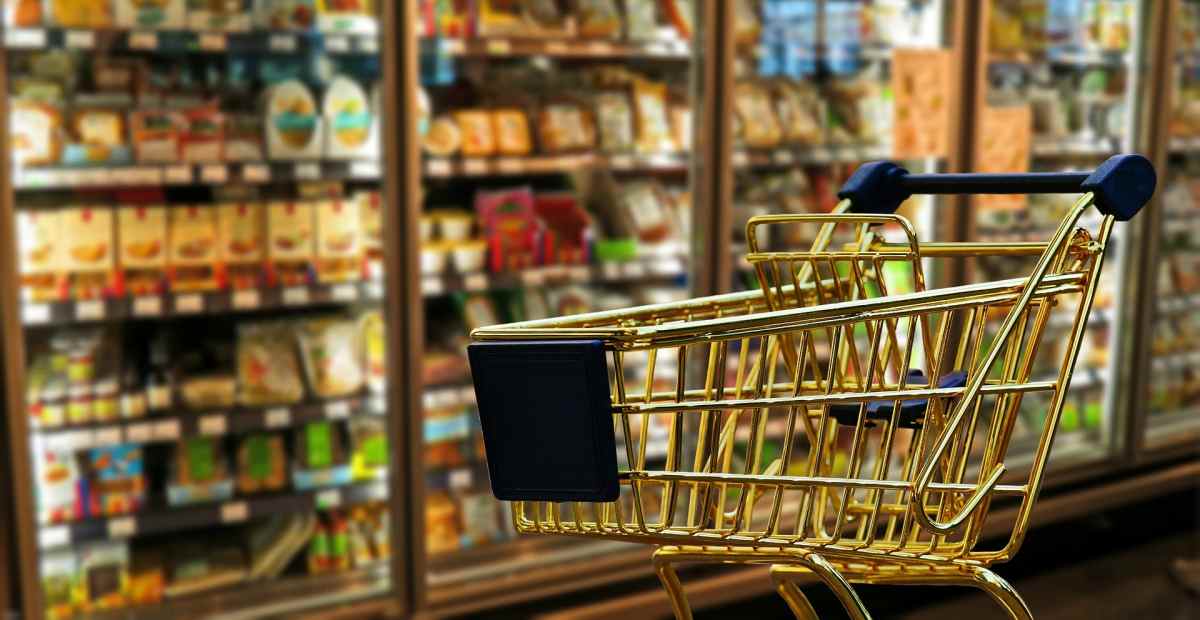
In the Fast Moving Consumer Goods (FMCG) industry—which includes food, beverages, and household supplies—there is one primary rule: products must always be available when consumers need them. With thin profit margins per unit but extremely high sales volumes, efficiency in the supply chain is no longer an option—it is a necessity. In Indonesia, distribution challenges are further complicated by the archipelago's geography and varying infrastructure.
How do you ensure FMCG distribution remains fast and effective? Here are the solutions.
1. High Turn-Over Speed
FMCG products typically have short shelf lives or very high consumption rates. A distribution delay of even one day can lead to out-of-stock scenarios at the retail level.
- The Solution: Implement warehousing systems that support FIFO (First-In, First-Out) or FEFO (First-Expired, First-Out) methods to ensure that goods entering first are the first to be distributed.
2. Multi-Point Distribution Strategy
Indonesia has a vast and widely spread market. Relying on a single central distribution center is often insufficient to keep up with market speed.
- The Solution: Utilize transit points or strategic logistics hubs. With a flexible fleet, Transporindo helps break down large loads from central warehouses into smaller, more agile shipments to reach both traditional and modern markets (supermarkets).
3. Real-Time Stock Visibility
Without accurate data, FMCG companies often face the problem of overstock in one region while experiencing shortages in another.
- The Solution: Leverage fleet tracking technology and distribution data management. By knowing the real-time position of goods, operational teams can make quick decisions if field obstacles occur, such as rerouting or expediting delivery schedules.
4. Cost Efficiency Through Consolidation
Logistics costs can take up a large portion of an FMCG product's price structure. One way to reduce this is by optimizing cargo space.
- The Solution: Through LTL (Less than Truckload) services or cargo consolidation, companies can ship goods in quantities that match their needs without having to rent a full truck if the capacity isn't fully utilized. This is particularly helpful for distribution to smaller branches.
5. Hygienic and Safe Product Handling
Consumer products, especially food and cosmetics, require special handling to prevent contamination or damage during transit.
- The Solution: Standard Operating Procedures (SOP) for regular fleet cleaning and organized stacking to prevent physical damage (crushing) are essential to maintain product quality until it reaches the end consumer.
Conclusion
Winning the competition in the FMCG industry requires a logistics partner who not only has a fleet but also understands the urgency of time and data accuracy. Fast and efficient distribution directly improves customer satisfaction and strengthens your brand's position in the market.
Looking for a Logistics Partner Who Understands Your FMCG Business? Transporindo provides integrated distribution solutions designed for speed and large-scale operations. [Click here to Consult Our Distribution Services]